
Wholesale Cactus Hanging Baskets
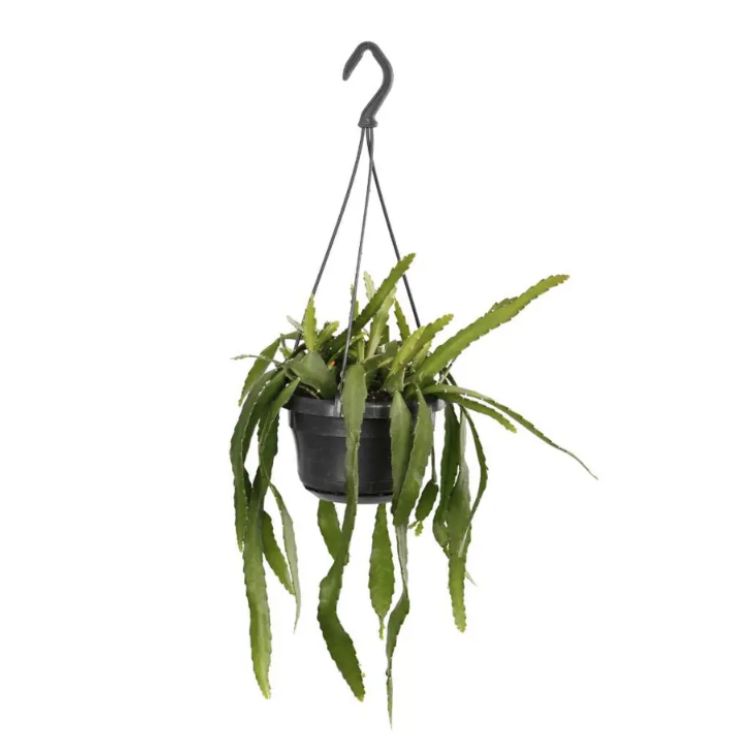
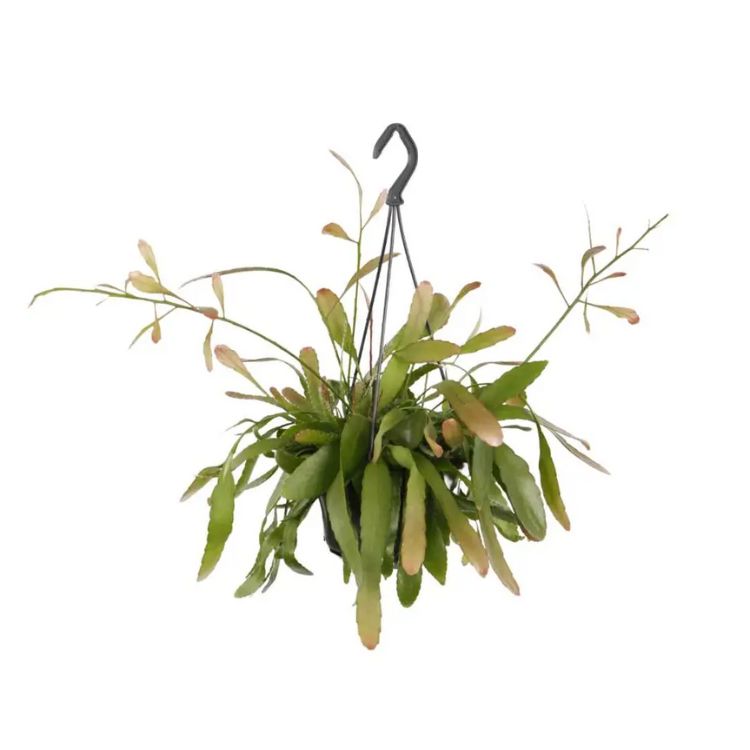
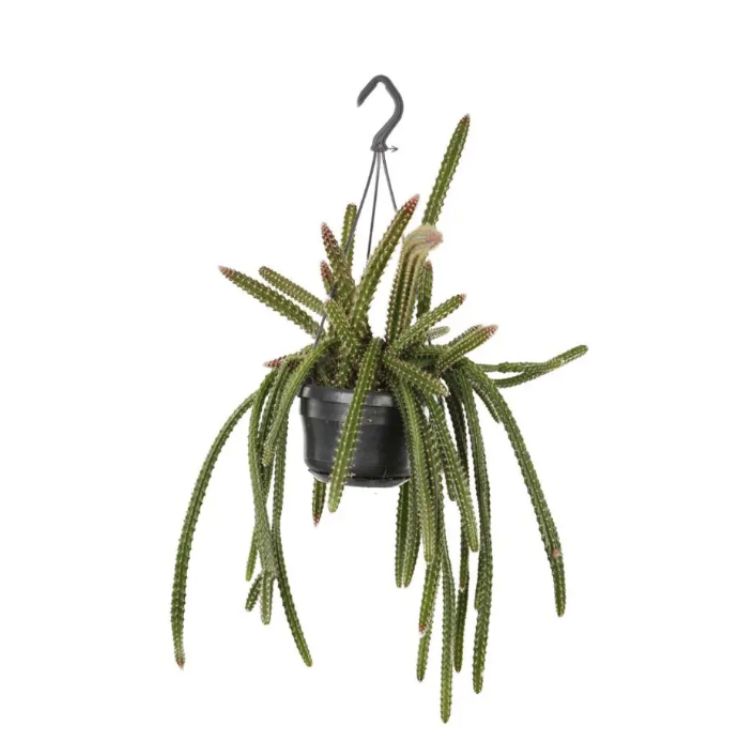
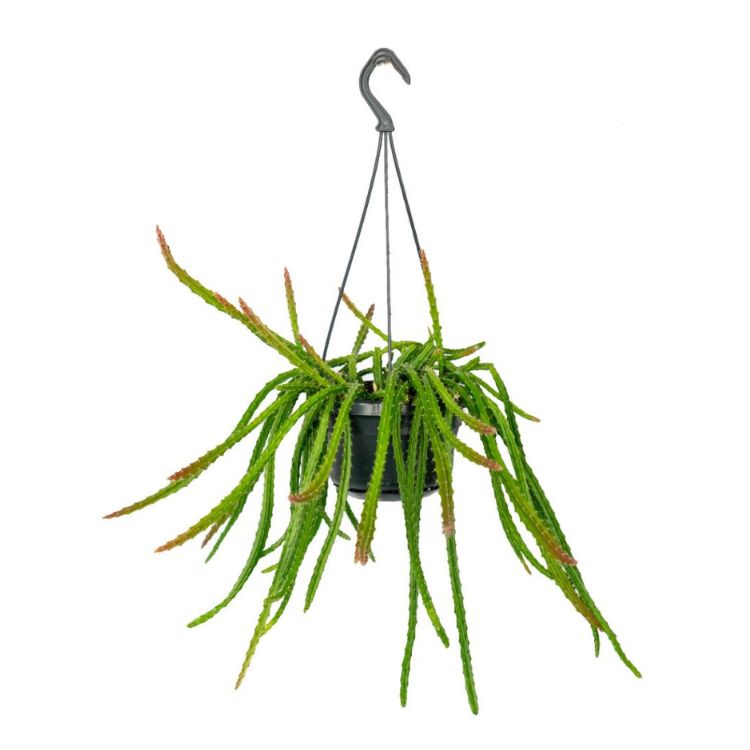
Our wholesale collection of cactus hanging baskets offers a striking selection of trailing and cascading varieties, carefully grown in 14 cm pots. Perfect for retailers, garden centers, and interior stylists, these plants bring sculptural beauty and easy-care appeal to any display. Among the most popular varieties are Rhipsalis, Epiphyllum, and Cleistocactus colademononis, each admired for its unique character and growth habit.
Showing 1–12 of 20 results



Showing 1–12 of 20 results
Cactus Hanging Baskets
Our wholesale cactus hanging baskets combine resilience with decorative value, making them ideal for both experienced collectors and those new to houseplants. Their dramatic trailing forms and exotic textures bring movement and elegance to interiors, patios, and greenhouses, ensuring they remain a consistent favorite in retail displays. Offered in practical 14 cm pots, they arrive ready for immediate merchandising and are guaranteed to draw attention wherever they are displayed.
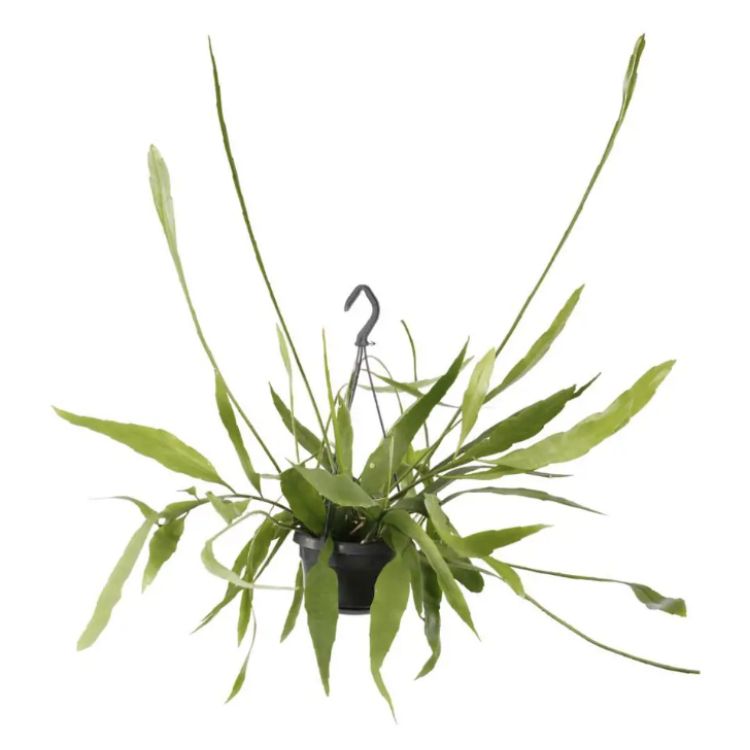
Rhipsalis, often called the mistletoe cactus, is a tropical species with slender, flowing stems that create a soft, cascading effect. It thrives in bright but indirect light and adapts well to indoor environments, making it an elegant choice for modern plant styling.
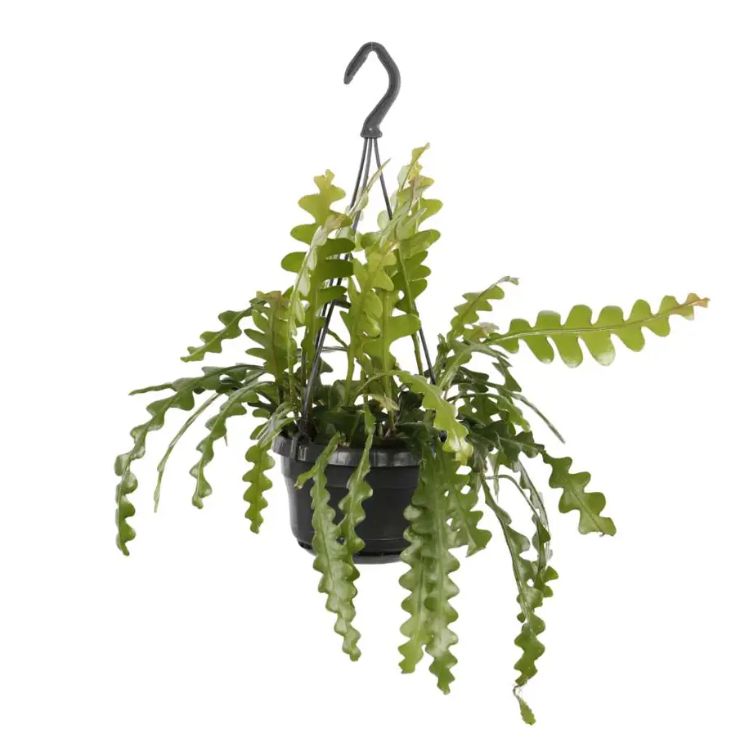
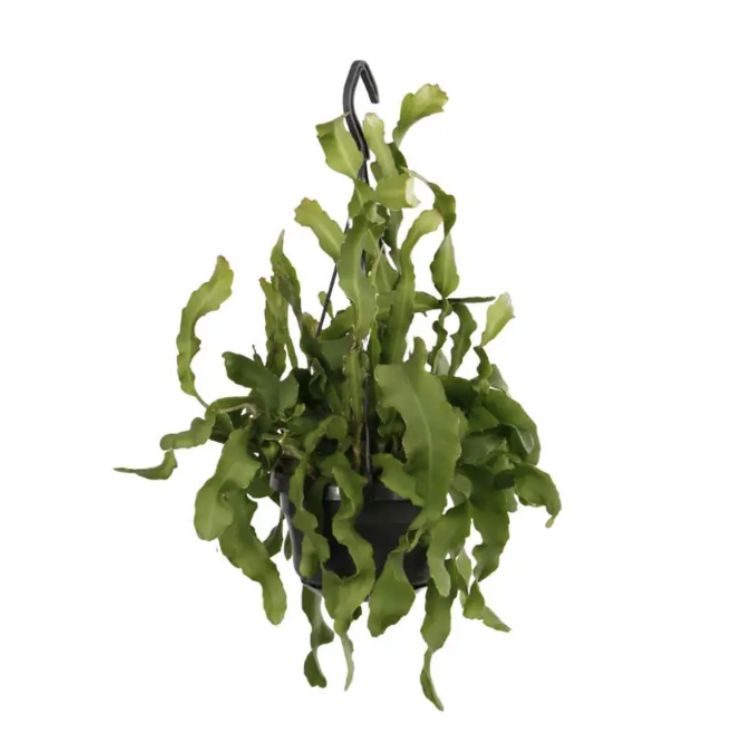
Epiphyllum, commonly known as the orchid cactus, is loved for its bold, flat stems and spectacular flowers that appear in vibrant colors during the blooming season. Its trailing growth adds drama and depth to hanging baskets, and its large blossoms offer a spectacular seasonal display.
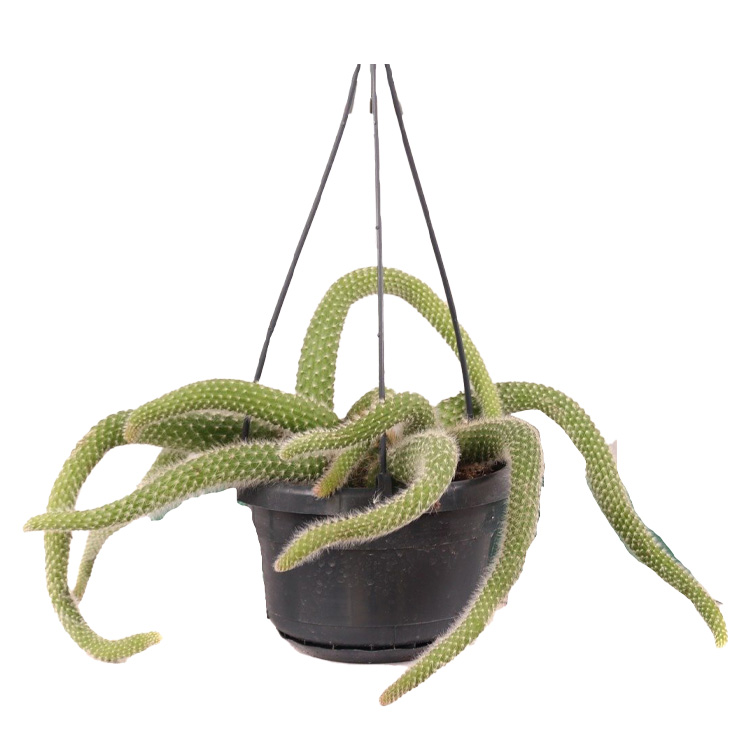
Cleistocactus colademononis, more famously known as the Monkey’s Tail Cactus, is a collector’s favorite with long, furry stems that tumble gracefully from the pot. Covered in fine, silky white spines and eventually producing striking red tubular flowers, it is one of the most eye-catching hanging cacti available.
Caring for these hanging baskets is simple, making them a low-maintenance yet high-impact addition to any plant collection. They perform best in bright, indirect light, which enhances growth while preventing scorching of delicate stems. Watering should be moderate, allowing the soil to dry slightly between each drink while avoiding complete drought.
During the cooler winter months, watering needs decrease as growth slows down. Warm indoor temperatures encourage steady growth, with Rhipsalis and Epiphyllum enjoying slightly higher humidity compared to the more drought-tolerant Cleistocactus. Feeding with a diluted cactus or houseplant fertilizer every few weeks during spring and summer promotes lush growth and, in the case of Epiphyllum and Cleistocactus, supports their spectacular flowering. Repotting is only required every two to three years, as these trailing cacti are generally content when slightly root-bound.